
Farm to Table: Texas ranchers feel squeeze from Trump beef-import plan
Texas ranchers say the Trump administration’s beef-import plan is squeezing profits, while Agriculture Secretary Brooke Rollins says the policy could be reversed if consumers don’t see lower prices.
DALLAS —
The Trump administration is trying to make ground beef cheaper by temporarily allowing an additional 300,000 metric tons of lean beef into the United States at a lower tariff rate.
But in Texas cattle country, some ranchers say the move is already squeezing their profits.
The policy has also drawn pushback from Republican lawmakers in cattle-producing states, creating a difficult balancing act for the administration: lower beef prices for consumers now while keeping American ranchers profitable enough to rebuild the nation’s depleted cattle herd.
A Texas rancher says he went from making money to losing money
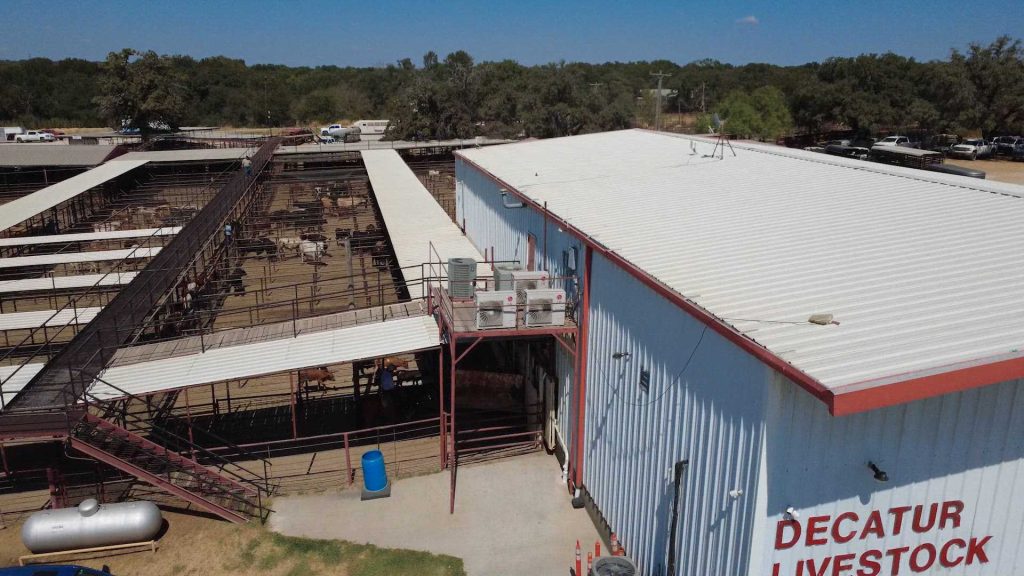
At a livestock auction in Decatur, Texas, cattle rancher Hayden Scarborough said his business changed dramatically in a matter of weeks.
“Right now, not so good. We’ve taken a big hit in the market in the boards. A month ago, if you asked me, I would have said, as great as I’ve ever seen it in my life,” Scarborough said.
Scarborough blamed the administration’s move to increase imports, specifically pointing to Argentine beef.
“This imported Argentina beef, big effect to it. There’s a lot of reaction to negativity in a quick timeframe. And this thing just nosedived. I would go from making money to losing money,” Scarborough said.
President Donald Trump authorized the temporary increase in August as part of an effort to lower beef prices.
The policy allows an additional 300,000 metric tons of lean beef trimmings to enter at the lower tariff rate over 90 days, divided into three 100,000-metric-ton tranches from Sept. 1 through Nov. 30. The additional quota is available to eligible supplying countries and is not limited to Argentina.
Scarborough said ranchers are also being squeezed by transportation costs.
“I gotta pay freight on them cattle getting them to a grow yard. I’m going to pay freight on them to go to Kansas to a feed yard. I’ll pay freight from Kansas to a kill plant. We pay freight on that to a store,” Scarborough said.
Asked how decisions made in Washington affect ranchers in Texas, Scarborough said, “Every policy they make affects us one way or the other.”
Cattle-state Republicans push back
Scarborough’s concerns have also been echoed by Republican lawmakers.
More than a dozen Republican senators publicly pushed back on the import plan after it was announced, including John Barrasso of Wyoming, Steve Daines of Montana and Katie Britt of Alabama.
Barrasso said Americans want U.S. beef rather than additional foreign imports and argued ranchers want a fair marketplace.
Daines warned that importing more foreign beef could hurt ranchers and increase prices over the longer term.
The White House said the temporary increase is designed to provide consumer relief while giving American ranchers time to rebuild the domestic herd.
Another rancher is cutting out the middleman
About an hour east in Lavon, Texas, Colby McClendon is part of a family that has farmed for generations.
Like Scarborough, McClendon said federal policy and rising costs matter to his operation.
“Every bit of policy affects the farmer or rancher,” McClendon said.
Asked what was squeezing the family farm most, McClendon pointed to fuel.
“I would say definitely fuel prices,” he said.
But McClendon said his operation has been moving in the right direction financially.
One reason is that he raises cattle, has them processed locally and sells the beef himself, cutting out some of the middlemen between the farm and the consumer.
U.S. Department of Agriculture data help show why that can matter.
According to USDA data reviewed by Hearst Television, the farm value of Choice beef was about $5.23 per retail pound equivalent. The wholesale value was about $5.62, while the retail value was more than $10.22.
Those figures do not represent one identical pound of beef being resold at each step. They illustrate how the value of beef changes as it moves through the farm, wholesale and retail portions of the supply chain.
By processing locally and selling directly, McClendon said he can capture more of that final value himself.
His wife, Ashley McClendon, said selling beef directly to customers has helped keep their whole farming operation sustainable.
“Without being diversified, we would not be able to stay afloat,” she said.
McClendon’s model also overlaps with another part of the administration’s beef strategy.
USDA is putting more support behind smaller and independent processors. Its SPUR program is providing up to $500 million to eligible small, independent and mid-size beef slaughter facilities. USDA has also expanded a program allowing qualifying state-inspected processors to sell meat across state lines. The department says four companies dominate roughly 85% of the beef-processing market.
The squeeze reaches restaurants
At Pecan Lodge in Dallas, owner Justin Fourton said rising beef costs have forced him to raise menu prices.
“When you look at the prices in beef, they’ve doubled at the rate of inflation,” Fourton said.
He said margins have continued to decline steadily over the last several years.
“It’s been the same story for a long time, mainly been the droughts, then the shrinking of the herd size,” Fourton said when asked what his suppliers tell him when they raise prices.
We took what ranchers said in Texas back to Washington and asked Agriculture Secretary Brooke Rollins whether lowering prices through additional imports could work against the administration’s goal of rebuilding the herd.
Rollins acknowledged the frustration she heard from cattle producers after the decision.
“They felt like they were finally to the point where they were making money after a decade or more of losing a significant amount of money,” Rollins said. “They finally were kind of back at the table. They were able to finally rebuild their barns, build their herds up and felt a little bit of a gut punch.”
But Rollins defended the imports as a short-term effort to lower the cost of ground beef.
“It said if the prices don’t come down significantly, then we’re going to pull it,” Rollins said. “And so we’re watching it very, very closely.”
The president’s proclamation directs USDA and the U.S. Trade Representative to monitor whether beef entering under the expanded quota is being sold 25% below the market price for lean beef trimmings. If not, they must notify the president, who can eliminate the remaining additional quota.
Can ranchers rebuild at the same time?
Rollins said the administration wants cattle producers to remain profitable enough to rebuild domestic supply.
“The goal here is to make sure they have continued great, not just couple of years after 10, 20 years of devastation, but that they can continue that and can continue to build their herds and can continue to feed America. And frankly, the world,” Rollins said.
Scarborough sees the challenge differently.
“Ain’t nobody building herds when you’re losing money,” he said.
That is the test facing the administration: whether additional imported beef can lower what consumers pay without discouraging American ranchers from rebuilding the herd.