
Some drinks are part of an event. Others become a shorthand for the event itself. At the U.S. Open, the Honey Deuce has spent nearly two decades crossing that line, evolving from a cocktail served on the tournament grounds into a ritual that signals the arrival of late summer in New York. Creating that kind of cultural association takes more than a memorable recipe or a prominent logo. It requires a distinctive identity, consistency at enormous scale and, ultimately, an audience willing to make the experience their own. The most enduring event drinks become part of how people experience a place and remember having been there.
From cocktail to cultural tradition
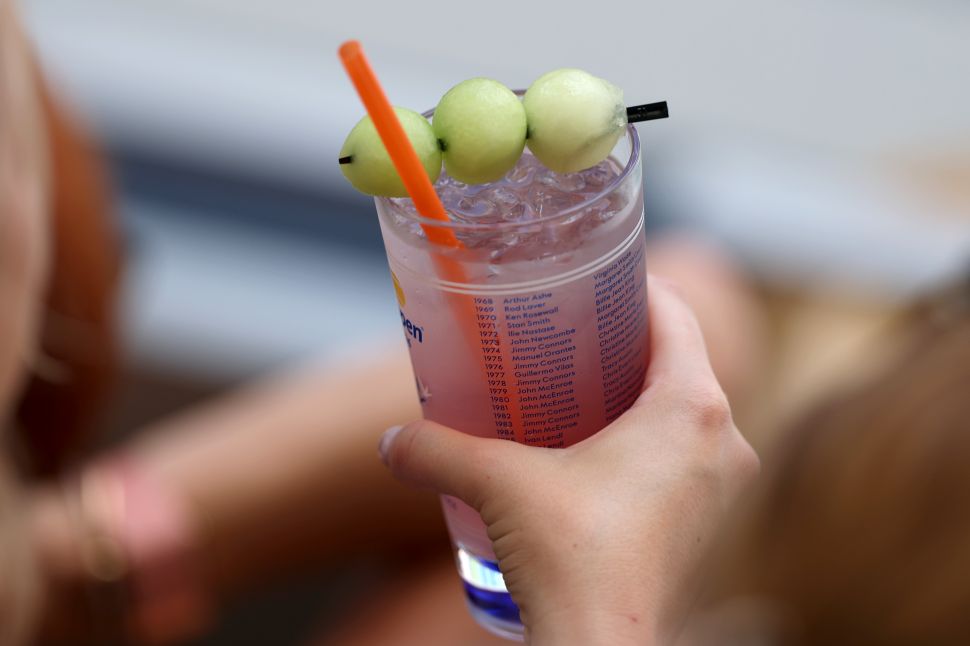
I like to say the Grey Goose Honey Deuce is an overnight success 19 years in the making. You can create the ingredients for an iconic event drink, but it takes time and, most importantly, the fans who turn it into a tradition. From the beginning, the Honey Deuce had a distinctive identity: its pale-pink color and nostalgic connection to summer lemonade, its three tennis-ball-inspired honeydew garnishes and its commemorative cup. Together, they created an unmistakable look and feel that people immediately associate with summer and the U.S. Open.
But ultimately, it is the fans who transformed the Honey Deuce from a cocktail into a cultural tradition. Whether you are a celebrity sitting courtside or a passionate tennis fan coming to the Open, having one has become part of the shared experience. Fans seek it out each year, carry it around the grounds, photograph and share it, collect the cups and even recreate the cocktail at home. This is an important distinction for any event brand: an audience can be exposed to something without ever adopting it. A tradition takes hold when people begin to incorporate it into the way they experience the event themselves.
The numbers tell that story as well. A record-breaking number of Honey Deuces were served in 2025, up 32 percent year over year, bringing the total since the cocktail’s launch in 2007 to more than 4.01 million. That kind of sustained participation does not happen because you decide something should be iconic. It happens because people make it their own.
Consistency and anticipation have been important, too. Keeping the original Honey Deuce closely tied to the U.S. Open season has made its return something fans look forward to every year. After 19 years, it has become more than a cocktail served at the tournament. For many fans, its return is the signal that Grey Goose Honey Deuce season has arrived.
Designing a drink people can see, share and remember
An event drink must work on several levels at once. First, it must be a great cocktail. The Honey Deuce starts with Grey Goose vodka, balanced with fresh lemonade and raspberry liqueur to create a refreshing cocktail that can be served consistently at the scale of the U.S. Open.
Then there are visual and emotional elements. Its signature color, garnishes and cup make the cocktail instantly recognizable, whether someone is carrying it through the grounds or sharing it on their feed. But recognition alone does not create a ritual. What transformed the drink into one was the fans who began associating it with the arrival of the tournament and incorporating it into their own traditions. The commemorative cup adds another layer. Refreshed annually with the names of past champions, it gives fans something tangible to take home. The transaction then becomes a small souvenir of having been at the event.
Event merchandise and food often serve as physical markers of participation. They give fans something to hold onto after the event, extending the experience beyond the venue. The strongest event drinks work this way. They both complement the experience and become part of how people experience and remember it.
Scaling the ritual without losing what makes it distinctive
Scalability was part of the creative brief for the Honey Deuce from the very beginning. The cocktail needed to be refreshing and distinctive enough to feel special, while also being consistent enough to serve at high volume during late-summer days in New York. As demand for the cocktail grew, the tournament evolved its operations accordingly, introducing dedicated service points and batched-cocktail taps to improve both speed and consistency.
Just as importantly, we work very closely with the concessionaire throughout the tournament to ensure the quality of the cocktail does not vary as volume increases. When you are serving at this scale, maintaining the same quality and experience across every point of service is critical. Whether it is someone’s first time at the tournament sipping their first Honey Deuce or their tenth U.S. Open, the cocktail should taste and feel like the drink they expect every time.
That may sound like an operational detail, but consistency is part of what makes a ritual a ritual. If the experience changes materially every year, there is less for fans to anticipate. The challenge is to evolve the delivery without making the thing itself feel unfamiliar. The key has been making those operational changes without altering the elements that made the Honey Deuce distinctive in the first place. Even as the way the cocktail is served has evolved to accommodate greater demand, its recognizable core has remained consistent: the recipe, the pale-pink appearance, the tennis-ball-inspired garnish, the commemorative cup and the connection to the U.S. Open.
Ultimately, scaling successfully has meant making it easier for more fans to participate in the tradition without compromising the qualities they have come to recognize and anticipate each year.
When a brand becomes part of the experience
Food and beverages can give fans a tangible way to participate in the atmosphere of a major sporting event. For brands, this creates an opportunity to become part of the memories and traditions surrounding them. The Honey Deuce is a strong example because it has become a visual symbol of the tournament that fans capture and share as shorthand to say, “I was there.” That is a different kind of value than visibility alone. A logo can tell people who sponsored an event. A ritual can become part of how people remember it.
The Last Serve Bar demonstrates how that atmosphere can reach far beyond Arthur Ashe Stadium. In 2025, more than 8,500 people visited the Grand Central pop-up, where more than 5,500 Honey Deuces were served to visitors, including commuters and New Yorkers without tournament tickets. For brands, creating these kinds of experiences means finding ways to contribute something people actually want to be a part of. The goal is to create something that can exist naturally within the culture of the event and, ideally, travel beyond it.
Moving beyond sponsorship
Before we enter any event or sponsorship partnership, we ask ourselves a simple question: if we were no longer part of this experience, would we be missed? That is the difference between sponsoring something and becoming meaningfully part of it.
Grey Goose entered the partnership with the U.S. Open looking for a credible way to contribute to the fan experience rather than simply generate visibility. In the second year of the partnership, the Honey Deuce was created as something distinctive that fans could experience, enjoy and ultimately make their own. Nearly two decades later, it is hard to imagine the full U.S. Open experience without a Honey Deuce in hand. It has become one of the rituals people look forward to each year, alongside the tennis itself: walking the grounds, seeing the matches, enjoying a Honey Deuce, and taking home the commemorative cup. That is why the ingredients of a successful event drink extend beyond the recipe. Visual identity makes it recognizable. Consistency makes it familiar. Scarcity or seasonality can make its return feel anticipated. Social currency gives people a reason to share it. And repetition turns all of those elements into ritual.
That kind of connection cannot be created simply by putting a logo on an event. It comes from consistently adding something to the experience that people genuinely value. Over time, fans develop a sense of ownership and anticipation around it. The most significant sponsorships eventually become less about the sponsor and more about the audience. When people would genuinely miss you if you were not there, you have moved beyond sponsorship and become part of the tradition.