
It can often seem like Spaniards are being rude when they talk because they don’t use please and thank you as much as English speakers. What’s the reason behind this and is it really rude or just a way of speaking?
If you’re learning Spanish and you’ve spent any time in Spain, you’ll soon notice that phrases used here could be considered rude, particularly when compared with British English.
There are far fewer pleases and thank yous said during conversations, there are no “may Is”, “could I possibly” or “any chance you could”. Spanish spoken in Spain is direct and to the point, if you want to ask for something, just ask for it, people generally don’t want to listen to a long-winded way of talking, they just want to know what you want and to get on with it.
READ ALSO: The Spanish cultural quirks you only notice once you live in Spain
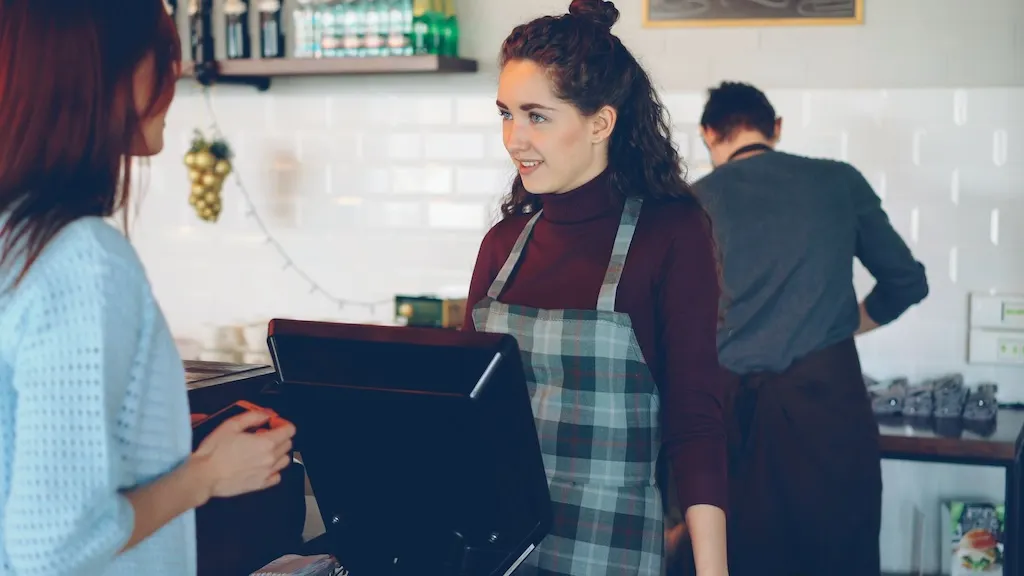
For example, “Ponme un café” (put me a coffee) is the normal way to order a coffee in Spain, direct and to the point. There’s no please and there’s no long phrases full of niceties.
If you can’t bring yourself to say that, however, “¿Me pones un café por favor?” is another acceptable way to asking that sounds a bit more polite, but please isn’t even necessary to sound polite in Spain.
One Spanish Reddit user agreed, writing: “We do not use ‘please’, ‘thanks’ or ‘excuse me’ as often as the British do. But, very importantly, we use a kind intonation instead…. We usually say ‘cuando puedas’ (when you can) when addressing waiters, shop assistants and the like.
Adding cuando puedas is another way you can be polite in Spanish without using please (por favor).
It’s not that Spaniards are being rude, it’s simply the way they talk, such formality is not needed in everyday conversations. Pleases and thank yous are not necessary to convey politeness
“We Spaniards are very direct and put a lot of value in not sugarcoating things,” agreed another Reddit user.
READ ALSO: Why are Spaniards so ‘loud’?
According to language learning app Elon.io “Spanish politeness is just built differently. Instead of stacking surface markers (could you possibly, if you don’t mind, would it be at all possible), Spanish leans on a small set of grammatical tense shifts — chiefly the imperfect and the conditional”.
For example, you could say “Perdona, ¿podrías acercarme el pan?” (“Excuse me, could you pass me the bread?”. This is the conditional tense.
Another example of the conditional would be “Me gustaría hablar contigo un momento” (“I would like to speak with you a moment”).
Or you could use the imperfect tense and say “Quería un café con leche” ( which translates directly as “I wanted a coffee with milk”).
According to Spanish teacher Mónica Bernabé Pérez at BlanBla, an online Spanish school, “Politeness in Spain lives in the tone, the greeting, diminutives and warmth, not in long indirect sentences like “Would you mind if I…”.
She suggests using diminutives such as “Un momentito” (a little moment), “un cafelito” (a little coffee), “una cosita” (a little thing) to make yourself more polite in Spanish rather than using a lot of por favors and gracias.
According to her, in Spain, it’s more rude to not greet someone when you walk into a shop or café, than it is not to say please or thank you. She says you should always greet people with “Hola, buenos días” or “buenas tardes” (Good day or good afternoon) when you walk into a shop or a lift for example.
READ ALSO: Why are Spaniards always late?
Other ways that Spaniards could be considered rude are interrupting others during a conversation and calling for attention.
For example, Spaniards are always talking over each other in conversations and it’s perfectly normal. According to Pérez, it means they’re probably interested rather than disrespecting you.
A shout of “oye” or “perdona” to catch a waiters attention is perfectly normal too, whereas in English this could sound quite rude.
Another reader on Reddit agreed that there are lots of ways to be polite in Spanish rather than saying please or thank you. “They address people as señor, señora, señorita if they don’t know the person’s name. Sometimes they still use don and doña for older people, to show respect (this is not as common as it used to be). They greet local shop keepers when they enter the store and say goodbye when they leave. They ask after the health of people they know in the neighbourhood and they greet each other with a handshake or air kiss on the cheeks.”
So, next time you’re ordering in Spain or asking for something, remember don’t simply translate from English and speak how you would normally, try to talk how the Spaniards do. It’s not rude to be direct and to the point or not add in so many polite words, it’s just the way language is used here.