
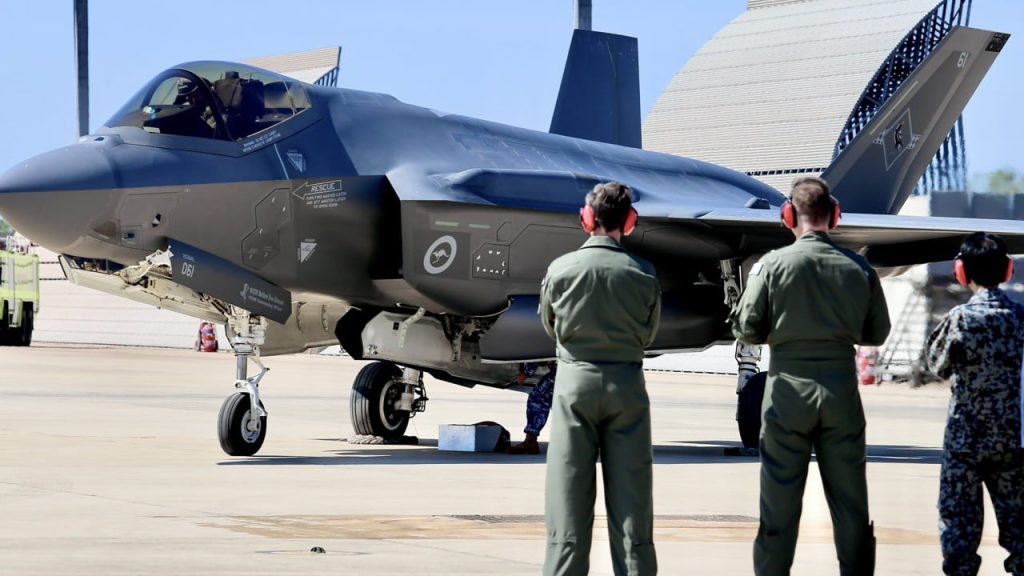
The multinational exercise, held every two years and featuring around 100 aircraft, runs from July 20 to August 7. It comes just days after Japanese, US and Australian F-35s trained together during the inaugural Southern Cross drills.
Southern Cross also marked the first use of a new trilateral logistics arrangement for sharing fuel and equipment between the three air forces – a practical step towards sustaining coalition air power far from home bases.
Together, the back-to-back drills and logistics arrangement point to a shift in allied air power, with northern Australia evolving into the rear area that underpins coalition air operations—a place where partners not only train together but also sustain operations, share logistics and increasingly build the industrial capacity needed for a prolonged conflict.
Timothy Heath, head of defence research firm Perceptum, said such interoperability “can also improve the survivability of allied forces since they can relocate and operate from other bases more easily”.