
If you’re self-employed in Spain, a new government after the upcoming November 29th general election could bring changes to your taxes, social security fees and other work conditions.
Self-employed workers (autónomos) in Spain are more than aware of how tough it can be with high social security fees, low earning thresholds, high taxes and accountant payments.
According to a new study called ‘The State of Self-Employment in Spain’, published this week by the website Remote Work Spain, eight out of ten self-employed workers believe that the Spanish economic and welfare system favours salaried workers over the self-employed.
With a snap general election coming up on November 29th, Spain’s more than 3 million autónomos will be interested in finding out what Spain’s main parties are promising them and how the situation may change under different governance.
It’s worth keeping in mind that given the short notice of the snap election, not many of Spain’s major parties have published specific manifestos or proposals for the self-employed, so the stances below come mainly from their 2023 general election manifestos.
PSOE
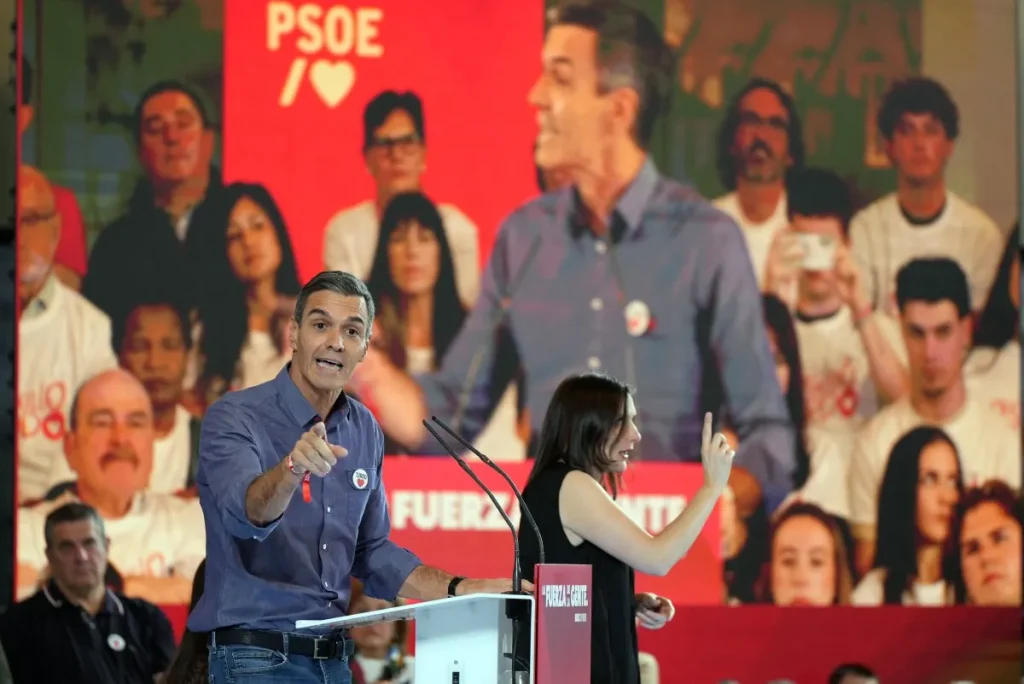
If Pedro Sánchez’s Socialists stay in power they won’t make major changes to the social security (SS) fee structure as it is, the tiered contribution system based on net income (ingresos reales), although this remains a constant point of debate with self-employed associations.
However, the PSOE have promised to consolidate and evaluate protection for the self-employed, as well as participate more in autónomo organisations in the Self-Employment Council.
READ ALSO: Q&A – What the new Verifactu system means for Spain’s self-employed
They have also pledged to improve taxation for the self-employed and small businesses with incentives for the green and digital transition. They also want to introduce a public invoicing platform to to prevent fraud and ensure traceability – Verifactu.
PP
The centre-right Partido Popular party under Alberto Núñez Feijóo, which is currently ahead in the polls, have promised several changes for autónomos. Firstly, they’ve pledged no social security fees during the first year of becoming autónomo, rather than the current flat fee of €80. They also want to allow autónomos to defer up to three months of social security payments per year, without losing benefits and allow them more time to make them up.
Regarding other benefits, the PP want to provide bonuses to those who hire someone during their maternity leave and bring protections closer to those of salaried workers.
In addition, they want to change the frequency of VAT settlements and personal income tax withholdings for small businesses and simplify their personal tax returns.
Vox
Far-right party Vox proposes making it so that autónomos who earn below minimum wage are exempt from paying social security fees.
They also want to change it so that these fees are not paid during sick leave and also want to crack down on false autónomos who are essentially employees, but are being hired as freelancers.
In its manifesto, it also mentions reviewing personal income tax withholdings of the self-employed and not forcing small businesses to accept electronic payments.
READ ALSO – Listed: The laws that may never pass as Spain awaits snap election
Frente Amplio
Frente Amplio is the newly rebranded version of the Socialists’ junior coalition government partner, hard-left Sumar, formed after Pedro Sánchez called a snap election.
Although it’s made up largely by the same left-wing parties, Broad Front has only existed for a few weeks, and as a result we rely on Sumar’s policies on the self-employed to predict what their ‘autónomo manifesto’ may be.
The leftist grouping supports the EU’s mandate of exempting self-employed workers and small businesses with an annual turnover of less than €85,000 from charging VAT, as well as replacing quarterly returns with a single annual informational declaration.
They also want to simplify procedures and adopt measures against late payments.
Frente Amplio haven’t published any proposals on social security or income tax changes.
ERC
Catalonia’s leftist Esquerra Republicana de Catalunya want to lower the social security fees for lower earners up to €2,030.
They also want to reduce contributions for those earning less than minimum wage and have higher SS brackets for those earning over €100,000 in net profit.
ERC aim to make benefits more aligned to those of salaried workers such as a non-contributory benefit for those over 52 years of age and paid leave.
In addition, they want to exempt all new self-employed from filing income tax in the first years of activity and to be able to deduct all allowances.
They also want to introduce a maximum payment term of 30 days for large companies and penalties against late payments.
Podemos
Hard-left Podemos party – which is not part of Frente Amplio – call for self-employed workers and small businesses to not have to pay taxes in advance on invoices they have not yet received payment for.
They also want to improve the time it takes for small businesses to get paid for their invoices.
Junts
Pro-independence Catalan nationalist party Junts per Catalunya wants to introduce a new progressive SS system based on actual income, slightly different to what it is now and wants to make sure that low income earners don’t pay any at all. They also want to regulate part-time freelancers.
They want to ensure that self-employed have similar unemployment benefits, as well as allow partial retirement for all self-employed workers, including those in companies.
In addition, they have promised more deductible expenses for vehicles and supplies, the ability to defer VAT payments and sanction against late payments.
PNV
The Basque Nationalist Party wants to continue bringing the protection of the self-employed closer to that of the salaried worker.