
In 1953, Seoul was a city of broken bridges and roofless blocks, with more than a million residents driven from their homes. Seventy-three years later, it exports songs that fill stadiums and dramas watched far beyond Korea. Its beauty industry has stocked American bathroom shelves with small glass bottles labeled in Hangul.
Seoul became the Joseon capital in 1394, and permanence has been tested ever since. Japanese rule redrew its streets, and the Korean War nearly leveled what remained. Each recovery left something the next one had to build around: a tiled gate holding its ground against six lanes of traffic, a brick workshop at the foot of an office tower, plywood already rising around the next idea. Preservation and progress share the same block only because history gave them little choice—and that’s exactly why it’s such a fascinating destination.
Each September, the international art world arrives in Seoul for a week of fairs and late gallery nights, a recent ritual that has made the capital one of Asia’s essential cultural stops. The collectors eventually leave, while new museums and returning Korean chefs keep the calendar moving through the year. That abundance tempts visitors to let a reservation app fill every hour before breakfast, an optimism the width of the Han, the hills and a dinner that acquires a second address after midnight will eventually correct. The guide that follows favors places worthy of the time they require, giving first-timers a way into Seoul and returning visitors a reason to look again, with enough of the day unclaimed for whatever happens after dinner.
Seoul, South Korea Travel Guide
Where to Stay
97 Saemunan-ro, Jongno-gu, Seoul 03183
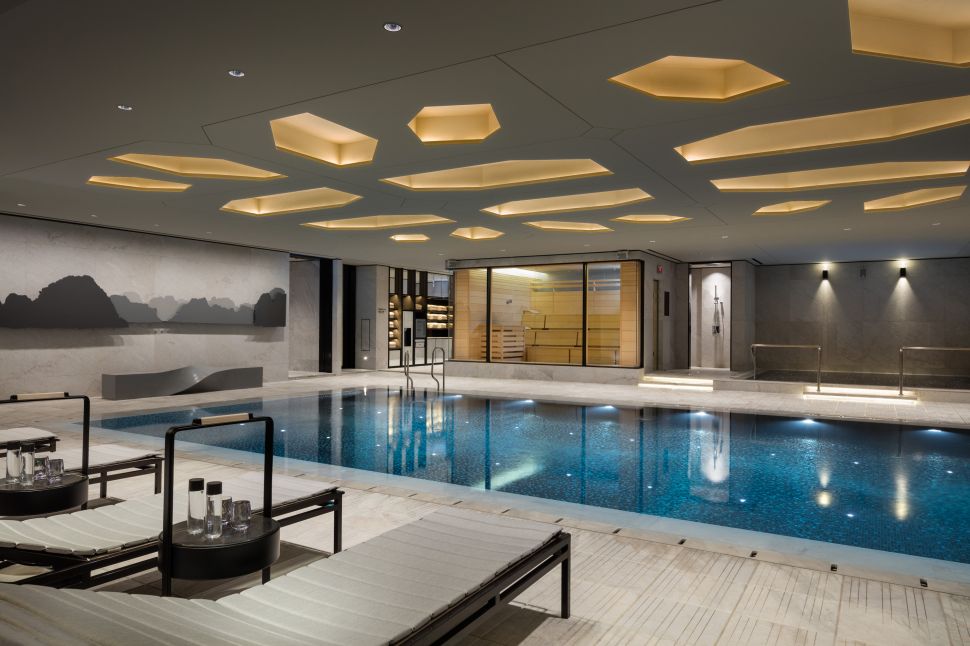
In Seoul, the Four Seasons has the useful kind of power address: between Gwanghwamun’s offices and the palaces of Jongno, with Seochon and Euljiro close enough for spontaneous plans. Besides the 317 residential-style rooms, the more persuasive luxury is its grand spa, which has three temperature-controlled pools plus wet and dry saunas. Charles H. waits downstairs for anyone who has mistaken jet lag for stamina, and hidden inside that bar is the eight-seat H. Bar, which presents Korea’s first course-style hotel cocktail experience.
Four Seasons Hotel Seoul.
Four Seasons
249 Dongho-ro, Jung-gu, Seoul 04605
The Shilla, a member of Leading Hotels of the World, has occupied its Namsan perch since 1979, its 464 rooms decked out in polished wood and cream upholstery, with greenery softening the view outside. Service is formal, though never as stiff as the diplomatic surroundings suggest. In summer, the heated Urban Island pool and private cabanas turn the third floor into the city’s most civilized refuge from humidity. Signature restaurant La Yeon serves Korean fine dining on the 23rd floor, while the Clé de Peau Beauté spa handles recovery.
The Shilla.
The Shilla
Josun Palace, a Luxury Collection Hotel, Seoul Gangnam
231 Teheran-ro, Gangnam-gu, Seoul 06142
Josun Palace occupies the upper floors of Gangnam’s Centerfield complex. Once upstairs, Humbert & Poyet’s 254-room interior wows with midcentury curves and lacquered surfaces nodding to Korean motifs, with more than 400 artworks distributed through the hotel. After dark, their windows turn views of Teheran-ro boulevard into an animated circuit board. Eatanic Garden, Son Jong-won’s contemporary Korean restaurant, crowns the 36th floor.
Josun Palace.
Josun Palace
300 Olympic-ro, Songpa-gu, Seoul 05551
Signiel begins on the 76th floor of Lotte World Tower, so the lobby has the air of an observation deck. Its 235 rooms rise to the 101st floor, with the Han River and Seoul laid out beneath windows that make television largely irrelevant. The indoor pool and Evian Spa occupy similarly improbable elevations. The altitude comes with a tradeoff in location: Jamsil sits well east of the palace districts and Hannam. Guests who plan their days accordingly get Seoul’s most dramatic hotel—and those who do not will become familiar with the Olympic Expressway.
Signiel Seoul.
Signiel Seoul
734 Nonhyeon-ro, Gangnam-gu, Seoul 06049
Ananti at Gangnam was designed for people who find the standard luxury room suspiciously horizontal. SKM Architects gave every accommodation a duplex plan and an 18-foot ceiling, then softened the volume with curved timber and planted balconies. Rooms feel closer to private apartments—that is, assuming one’s apartment has a sculptural bathroom and an upper-level bedroom overlooking Gangnam. An indoor pool sits below grade, while the outdoor pool is framed by brick arches and dense landscaping. Choose it for space and design, especially if the trip revolves around Cheongdam and the galleries south of the Han.
Ananti at Gangnam.
Ananti at Gangnam
Where to Eat in Seoul
2F, 19 Dosan-daero 67-gil, Gangnam-gu, Seoul 06016
Mingoo Kang opened Mingles in 2014, and the restaurant now makes Seoul’s top case for Korean fine dining that keeps its deviations from tradition in check. Seasonal seafood and Hanwoo meet the deep, clean flavors of fermentation. The Mingling Pot folds dumplings, shellfish and vegetables into an anchovy broth of startling depth, while the Jang Trio turns soy sauce, doenjang and gochujang into dessert without reducing them to a stunt. Reservations tightened after its third Michelin star, so book when the calendar opens.
Mingles.
Choi Joon Ho
4F, 49 Hyoja-ro, Jongno-gu, Seoul 03043
Across from Gyeongbokgung’s stone wall, Onjium occupies the fourth floor of a cultural institute devoted to Korean craft. Its culinary studio studies old cookbooks and inherited techniques with chefs Cho Eun-hee, a specialist in royal court cuisine, and Park Sung-bae building seasonal courses around precise broths, fermented pastes and pristine produce. A recipe may begin in the Joseon era, then acquire abalone where crab appeared last year or a surprise cameo from a modern ingredient. Book the counter for a view of the kitchen, or a window table for the palace wall.
Onjium.
Onjium
6F, Shinsegae The Reserve, 63 Sogong-ro, Jung-gu, Seoul 04530
Chef Junghyun Park’s first restaurant in Korea opened in March on the sixth floor of LV The Place Seoul, Louis Vuitton’s takeover of Shinsegae The Reserve. The setting supplies fashion-world flair; Park’s menu supplies the reason to stay for dinner. Best known for Atomix in New York, he has returned with a seasonal tasting menu that keeps Korean flavors legible while adjusting texture and temperature with near-clinical care. Early dishes included beef tartare in gamtae with white kimchi, soft tofu with seafood, soy-marinated crab and Hanwoo. The menu changes, but the homecoming is this year’s reservation to make. See the OMA-designed exhibition downstairs first.
JP at Louis Vuitton.
JP at Louis Vuitton
1 Majang-ro 42-gil, Seongdong-gu, Seoul 04757
Born & Bred sits in Majang-dong, Seoul’s wholesale meat district, and its most coveted meal happens below street level. The company began as a Hanwoo distributor in 1978; its basement Speakeasy now serves one 7 p.m. tasting, moving through familiar steaks, scarce cuts and composed dishes in the order a butcher believes the animal deserves. Each cut is grilled, simmered or served raw according to muscle and fat, before rice in beef-bone broth lands the plane. Book carefully: the second floor serves à la carte cuts and the third holds shorter private-room menus spanning 20 different beef-based dishes.
Born & Bred.
Born & Bred.
62-29 Changgyeonggung-ro, Jung-gu, Seoul 04546
Woo Lae Oak has served Pyongyang naengmyeon in Euljiro since 1946, and a summer queue can consume the better part of lunch. Buckwheat strands arrive in a chilled Hanwoo broth seasoned only with salt and soy sauce, its beef flavor fuller than the austere style’s bathwater jokes suggest. Resist the mustard and vinegar until you have tasted it plain. Groups should add table-cooked bulgogi, then finish with noodles; the sweet, smoky meat makes the cold broth seem even more exact. Put your name down early, inspect nearby Gwangjang Market, then return when summoned.
Woo Lae Oak.
Eileen Cho
Where to Drink
1F, 26 Dosan-daero 55-gil, Gangnam-gu, Seoul 06014
Demie Kim, Sean Woo, Jisu Park and Noah Kwon opened this spare Cheongdam bar in 2020 with no branded bottles on display. The back bar holds house spirits, seasonal gins and house sodas. One Jeju hallabong can yield juice for a Garibaldi, peel powder for a sour, and pulp for pickles for a Gibson, which persuasively conveys the zero-waste idea through taste. The cocktails are balanced and bright, with mostly Korean produce supplying flavor. Reserve a counter seat when bookings open, while weekday walk-ins fare best near opening time.
Zest.
Daehyun Baek
34 Jahamun-ro 7-gil, Jongno-gu, Seoul 03040
Bar Cham occupies a compact hanok in Seochon, where a tiled roof and solid oak counter establish the mood before the menu begins its tour of Korea. Owner-bartender Lim Byung-jin builds drinks from regional spirits and pantry flavors: deodeok root in a Negroni, corn silk with rice distillate and mezcal or Tokki soju sharpened with a makgeolli-wasabi shrub and one drop of sesame oil. The last combination captures gimbap through sesame, cucumber and savory grain, with the soju keeping the drink clean. The bar admits groups of four or fewer, a policy worth taking literally, and closes on Tuesdays.
Bar Cham.
Bar Cham
B1, 42 Dosan-daero 55-gil, Gangnam-gu, Seoul 06014
Le Chamber has spent more than a decade refining Seoul’s polished speakeasy model. Owners Eom Do-hwan and Lim Jae-jin built a 50-seat room of dark leather, chandeliers and live piano, then stocked it with roughly 200 whiskies. Order a martini or Old Fashioned before studying the house signatures, then use the aroma graph if preferences are difficult to translate. Prices sit above the neighborhood average, and the crowd dresses accordingly. Early reservations work best, particularly Friday and Saturday.
Le Chamber.
Le Chamber
32-1 Dosan-daero 49-gil, Gangnam-gu, Seoul 06019
M+MS stands for Malt plus Mixology, though the Dosan Park room behaves like a fermentation studio with a DJ booth. Behind the house beer and a menu that borrows its typography and references from fashion magazines, its uniqueness comes from offbeat ingredients like sour kimchi broth, tuna fish sauce, fermented kiwi and anchovy stock. Another drink turns quince from the courtyard tree into a martini with pear wine and koji. Start with a tap cocktail before moving into the more demanding assaults of umami on your palate.
M+MS.
mms_maltmixologyspace
16 Sajik-ro 12-gil, Jongno-gu, Seoul 03169
Cobbler is tucked inside a restored hanok near Gyeongbokgung, with sultry red light on timber beams and enough whisky behind the bar to carry a long conversation. There is, famously, no printed menu, so tell the bartender what you drink, how dry or spirit-forward you want it and which flavors should remain elsewhere. A tailored cocktail follows. The system is most useful for classics and subtle variations, especially a Vesper or Old Fashioned. Every guest receives a slice of cobbler pie, and the warm pastry steadies the first pour.
Cobbler.
Cobbler
Where to Shop
433 Ttukseom-ro, Seongdong-gu, Seoul 04785
Haus Nowhere sits on the public lower floors of Iicombined’s new Seongsu headquarters, a concrete hulk that opened in September 2025. The retail floors gather Gentle Monster eyewear, Tamburins fragrance, Atiissu hats and Nuflaat tableware, with kinetic sculptures and oversized figures between the displays. The merchandise holds up under the maximalist space, although the building does make a determined bid for every camera roll in the room. If Nudake Teahouse on the fifth floor matters to you, request a slot upon arrival—the surreal pastries often sell out.
Haus Nowhere Seoul.
Haus Nowhere Seoul
21 Apgujeong-ro 60-gil, Gangnam-gu, Seoul 06016
Inside this retail hub, designer Peter Marino divided 55,000 square feet between two pale-marble volumes linked by bridges, with daylight and Korean art doing much of the decorative work. The fashion edit moves from established houses to emerging designers, fine jewelry, beauty and objects, with ample seasonal turnover to warrant a return visit. Walk both buildings before deciding what to buy, since the first rack rarely explains the selection. Hit up the basement gallery to check out its rotating exhibitions and temporary brand projects.
Boon the Shop Cheongdam.
Yunsuk Shim
34-1 Itaewon-ro 27-gil, Yongsan-gu, Seoul 04349
Wooyoungmi opened its first standalone Seoul flagship in Itaewon in October 2025, giving one of Korea’s defining fashion houses a proper home on its own turf. Stocker Lee Architetti wrapped four levels in concrete and glass block, then used a skip-floor plan to pull daylight through the building. Menswear can be found on the first level, while womenswear and key Paris collection pieces follow above. Café de Wooyoungmi and a planted roof make useful waiting rooms for anyone accompanying the shopper.
Wooyoungmi Itaewon.
Yongjoon Choi
2F, Amorepacific Headquarters, 100 Hangang-daero, Yongsan-gu, Seoul 04386
Amorepacific reopened its Yongsan flagship in April 2026 after expanding it to roughly 12,450 square feet inside Amorepacific’s David Chipperfield-designed headquarters. The company’s beauty portfolio shares the floor with a fragrance lab, skin and scalp diagnostics and on-site compounding. Hera Custom Match offers each foundation formula in 205 shades, based on five undertones and 41 brightness levels. Lip color adds 142 options, several textures and fragrance. The staffed consultation requires an appointment, while a self-service zone accepts walk-ins. Multilingual guidance, international payment and immediate tax refunds keep checkout straightforward.
Amore Yongsan.
Hong Kiwoong
32 Insadong-gil, Jongno-gu, Seoul 03148
The Store from Tong-In reached its centenary in 2024, a useful distinction on a street crowded with newly made traditions. The family business started with furniture in 1924 and now stacks several generations of Korean material culture into one narrow building. Contemporary craft fills the first floor, traditional work the second, restored furniture the third and antiques the fourth. Galleries sit below and above. Look for ceramics, lacquer, metalwork, jewelry and small wooden pieces that can travel safely. The fourth floor may be opened on request, so ask just in case, rather than assuming its best objects are off-limits.
The Store from Tong-In.
The Store from Tong-In
What to Do in Seoul
50 63-ro, Yeongdeungpo-gu, Seoul 07345
Paris shuttered the Centre Pompidou for a five-year overhaul in September 2025. Nine months later, Seoul received an outpost, though Beaubourg kept the exposed pipes. Jean-Michel Wilmotte converted the former 63 Building aquarium into a four-story “box of light,” its curved translucent skin glowing beside Yeouido’s gold tower. The debut show, The Cubists: Inventing Modern Vision, gathers roughly 90 works by more than 40 artists through Oct. 4, then interrupts the usual Parisian canon with a section on Cubism’s Korean afterlife. There is no permanent collection on display, and the program changes by season.
Centre Pompidou Hanwha.
Centre Pompidou Hanwha
Changdeokgung Palace and Huwon
99 Yulgok-ro, Jongno-gu, Seoul 03072
Seoul has five royal palaces and only so many ceremonial gates a visitor can admire in good faith. Spend that attention on Changdeokgung. Built in the early 15th century, its halls bend with the slope of Baegaksan instead of forcing the mountain into an imperial grid. The essential add-on is Huwon, the rear garden inside the 143-acre complex, where lotus ponds and pavilions recede into woods. Garden entry is timed, guided and capped. Reservations open at 10 a.m. six days ahead, with the English walk lasting about 70 minutes.
Changdeokgung Palace and Huwon.
Changdeokgung Palace and Huwon
101 Yeonmujang-gil, Seongdong-gu, Seoul 04787
K-beauty is easier to understand once someone explains why the color of your iris has been sabotaging your blush. At Jung Saem Mool’s three-floor Seongsu flagship, artists use eye color, skin tone, facial structure and more to build a makeup plan, then teach the application rather than sending clients back into the world with expensive evidence. The private consultation lasts an hour, though they also offer a 90-minute class that keeps groups to eight and concentrates on the luminous base makeup for which the artist is known. Both are offered in English and include products to take home.
Jungsaemmool 101 Seongsu.
Han Sung Hoon
B1, 13 Pungseong-ro 38-gil, Gangdong-gu, Seoul 05393
Baekjihwa has nine seats, no bar and a rather literal idea of audience participation. Guests write requests on slips, and the host threads a few into the hour’s sequence. If yours makes the cut, you migrate to the lone chair directly between the speakers for the track, then surrender it to the next temporary headliner. Ten thousand won buys an hour in a Gangdong basement well beyond Seoul’s nightlife circuit. The intimacy should not be confused with privacy: regular sessions unite strangers, outside food is allowed and alcohol carries corkage. Visitors booking from abroad can message the room on Instagram.
Baekjihwa.
Jeong Seok-heon
Inwangsan and The Forest Chosochaekbang
172 Inwangsan-ro, Jongno-gu, Seoul 03033
Namsan Tower has done an excellent job monopolizing sky-high views on Instagram. Inwangsan rises 1,109 feet behind Seochon, with a section of the 14th-century city wall tracing its granite ridge and the palace roofs arranged below. Start near Dongnimmun, cross the summit and descend toward The Forest Chosochaekbang and Suseong-dong Valley. Allow three hours, and expect the final rock steps to make fashion sneakers an optimistic decision. The book café pours coffee in a former police guard post whose terrace faces the skyline. The ridge stays open around the clock, although daylight is the safer and more flattering arrangement.
Inwangsan and The Forest Chosochaekbang.
Seoul Tourism Archive